
Changing Attitudes Isn't Enough: Why Weight Stigma Requires Structural Change
When people think about weight stigma, they often picture rude comments, unfair assumptions, or negative stereotypes.
Those experiences matter.
But focusing only on attitudes can sometimes distract us from a larger issue: the systems and policies that shape people's lives every day.
For years, many efforts to address weight stigma have focused on changing individual beliefs. Awareness campaigns, workplace training sessions, and educational programs have aimed to help people recognize and challenge their biases.
These efforts can be valuable.
But lasting change requires more than changing minds.
It requires changing environments, policies, and institutions.
The Limits of Awareness Alone
Most people agree that discrimination based on race, sex, age, or disability can create barriers to employment, healthcare, education, and economic opportunity.
Weight bias can create many of the same challenges.
People living in larger bodies often report experiencing discrimination in healthcare settings, workplaces, transportation, public accommodations, and other areas of daily life.
While awareness training may help people recognize bias, it does not automatically remove the barriers that bias creates.
A workplace policy, a healthcare protocol, an insurance practice, or an inaccessible environment can continue producing unequal outcomes even when individuals have good intentions.
That is why structural change matters.
What History Can Teach Us
Many of the most successful public health and civil rights efforts achieved progress through a combination of education and policy reform.
Attitudes did not change overnight.
Instead, legal protections, institutional reforms, and expanded access helped create conditions that supported change over time.
The lesson is not that education is unimportant.
The lesson is that education alone is rarely enough.
When systems reinforce exclusion, awareness campaigns can only go so far.
What Structural Change Looks Like
Addressing weight stigma requires asking broader questions.
Do workplace policies protect employees from unfair treatment?
Do healthcare environments accommodate people of different sizes comfortably and respectfully?
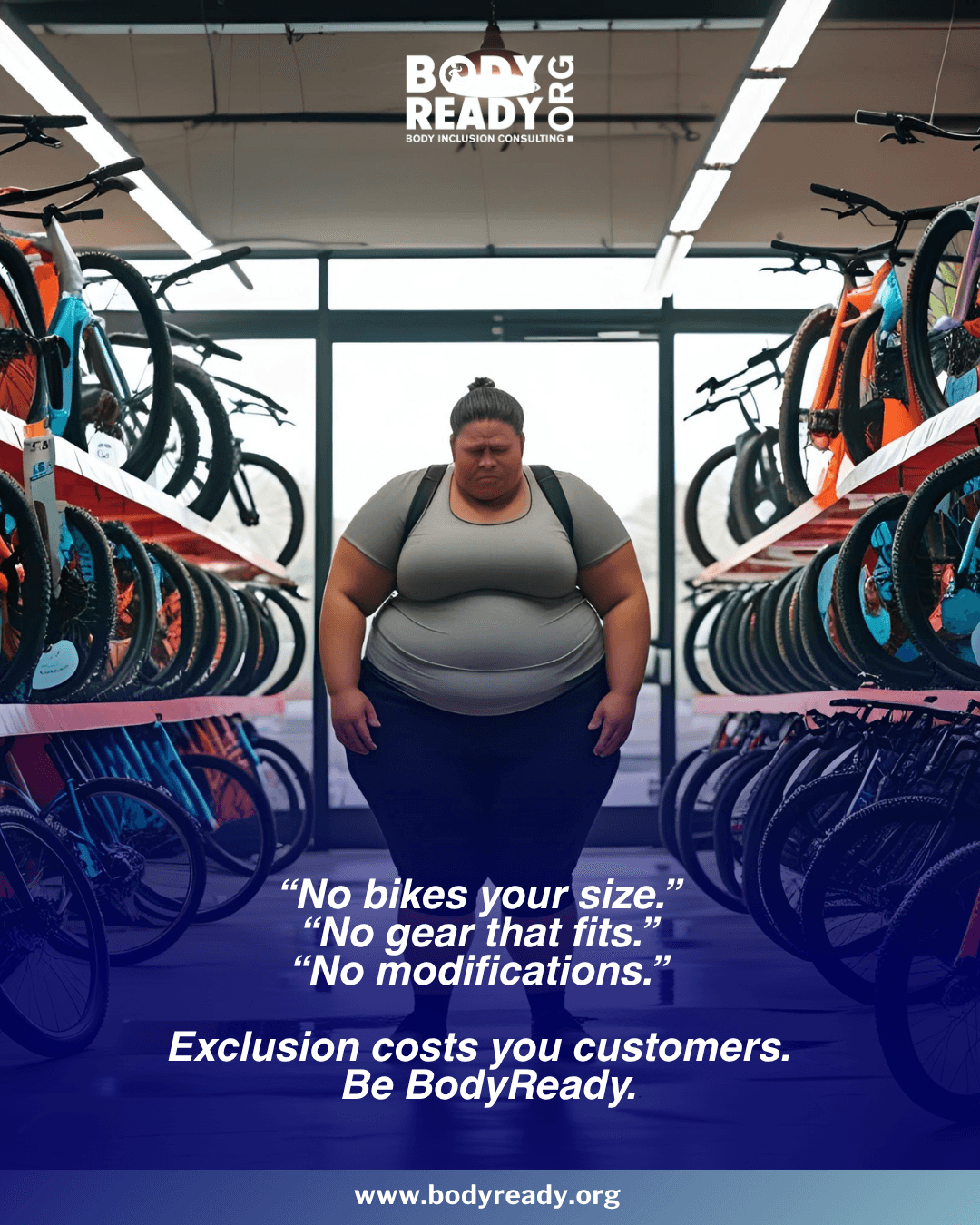
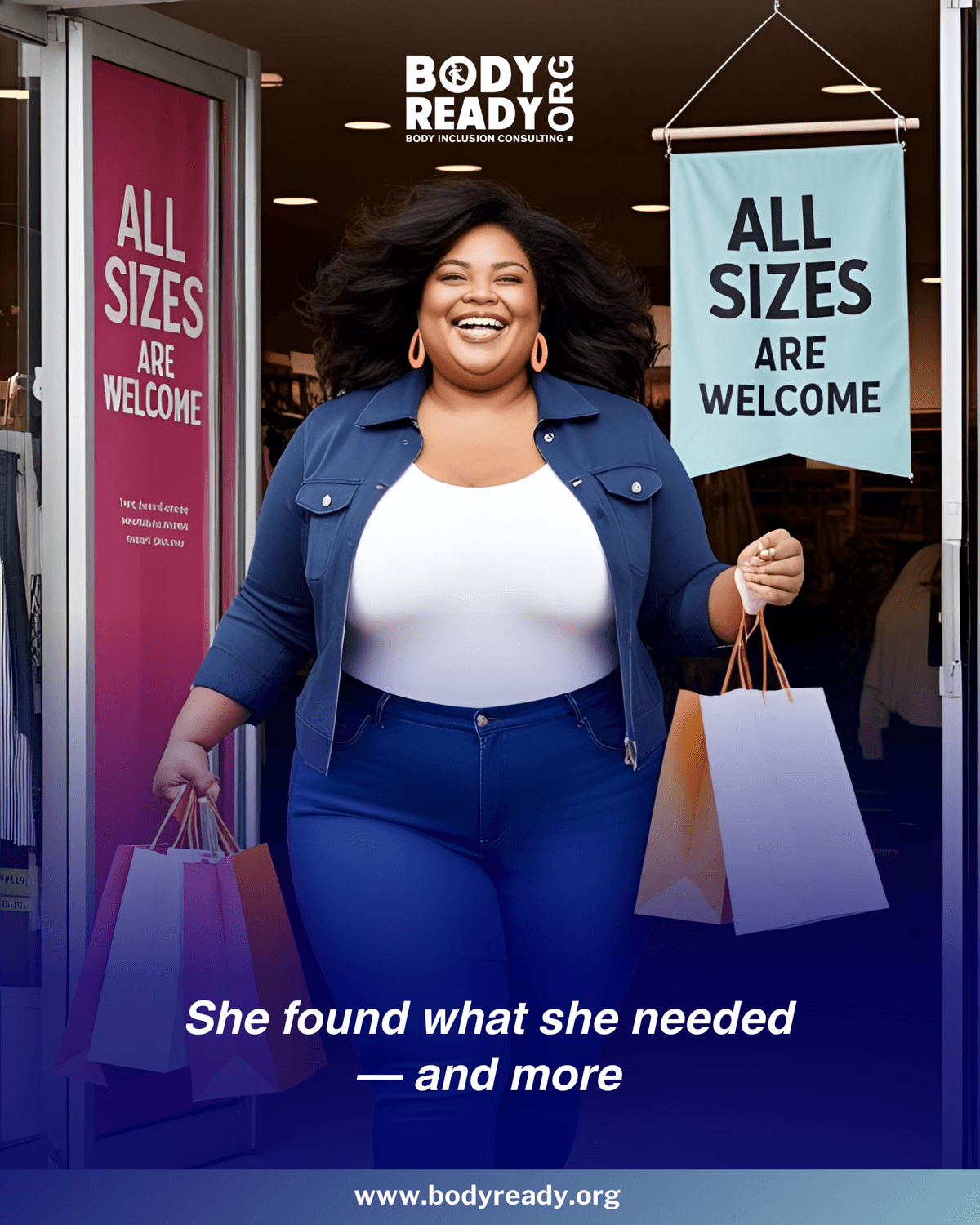
Are products, services, seating, transportation, and public spaces designed for a wide range of bodies?
Do organizational policies support inclusion rather than create unnecessary barriers?
These questions move the conversation beyond individual attitudes and toward practical solutions.
The BodyReady Perspective
At BodyReady, we believe that inclusion is about more than changing perceptions.
It is about creating environments where people of all sizes can participate fully and with dignity.
Respect matters.
Education matters.
But real progress happens when organizations, businesses, and institutions examine the systems they control and remove barriers that exclude people.
Changing attitudes is important.
Changing the rules, policies, and environments that shape everyday experiences is even more powerful.
Because lasting inclusion is not built on awareness alone.
It is built on action.
Check these out
BODYREADY.ORG NEWSLETTER
JOIN OUR COMMUNITY OF CHANGEMAKERS
Our community is where professionals, advocates, and innovators unite to build a world that works for all sizes. Join us for insights that drive real change.



© 2025 by Joan Denizot. All rights reserved.


